

Where is the Future that We Seek?
"Nostalgiacore," "Hopecore," "Sillycore," & the internet's longing for simpler times

The future you seek exists online.
It exists in the powerful affirmation posts you share on your Instagram stories, in a TikTok of Keith Lee “blessing” a small business with business, in a Pinterest board of your dream vacation destinations, in a carousel featuring stills from your favorite old-school movie, paired with a song that you remember being played all the time on the radio when you were a child.
The future you seek, and that we all seek, exists on a carefully curated social media profile featuring no-bad-days, but highlighting that even the worse days are a stepping stone for the better ones to come.
The future we seek exists online.
Introduction — Serious is Out, Silly is In
On today’s internet, nostalgia, silliness, and hope have stolen the spotlight as Kamala Harris is effectively “brat” and genres/aesthetics like Frutiger Aero permeate onto the common-man’s social media feed. It all goes beyond the usual usage of a corporate meme and dips into the realm of a reality actualizing online. It is not one big cyber-cosmic coincidence, it is the purposeful creation of content in a world rife with tense political and cultural energy.
In prior social media eras, the mantra was to “create more than you consume,” a plea to remind users to not only touch grass, but also to spend more time honing in on your personal crafts rather than living within the manufactured online worlds of the crafts of others. With the news cycle intensifying, the election season rapidly approaching, and frequent celebrity exposés, social media has become a beacon of connectivity to the present and our potentially ominous future. Now, you can find even the most cozy and casual social media creator dipping their toes into providing information on this season’s candidates or yet another influencer who we now must be wary of.
There was a moment around March to July where I myself noted a large amount of educational content being spread across TikTok, and had honestly grown to love the app more. It was nice being immersed in the topics that I was interested in learning about while also having a few silly or humorous videos sprinkled in-between. The algorithm felt perfectly tailored, balanced, and centered around my enjoyment of the app.
As of August though, I began to notice a shift. The algorithm began to reward what seemed like every post that was highlighting an influencer’s bad conduct, large amounts of truly bizarre edits (which were unfortunately right down my alley), and nostalgia, hope, and silliness as aesthetics or “cores”.
The Aesthetics Fandom Wiki defines Nostalgiacore as “an aesthetic involving nostalgia and archived history,” Hopecore as “an aesthetic and philosophy based on hope and humanity,” and Sillycore (also known as ‘Silly’) as “an aesthetic that comprises of weird/goofy looking animals, wacky graphics, and memes.”
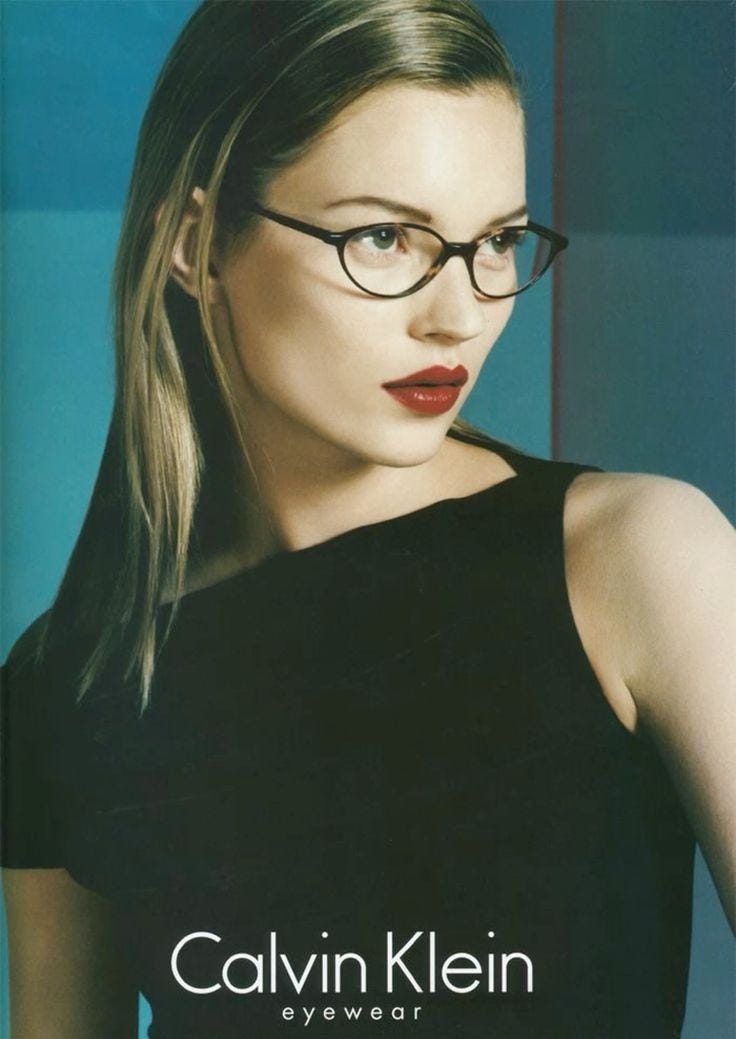
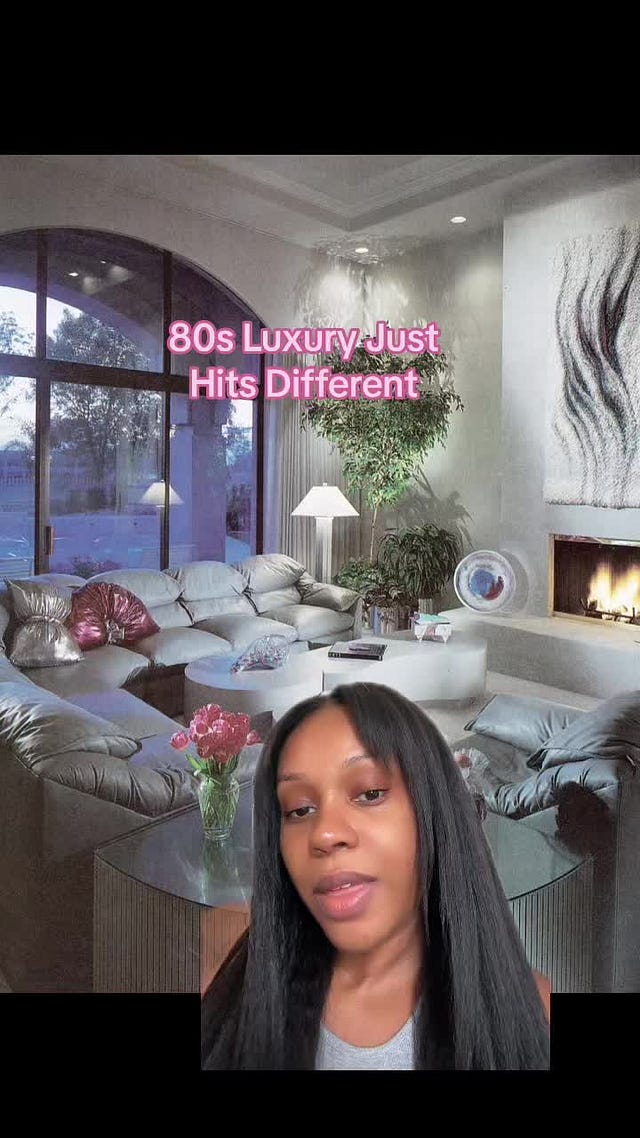
Although Nostalgiacore and its notions of desiring to be a kid again are said to originate between the 1950s to the 2010s, today’s media trends continue to harken back to past times but in the forms of aesthetics. From “Office Siren” to 80s luxury architecture, we continue to journey back to the days of old and fantasize about epic parties, gentle conversations, pure authenticity, community engagements, and simpler times.
 Tiktok failed to load.
Enable 3rd party cookies or use another browser
Yes, things have always been this way. Of course things were always better “back in the day,” but now, with the blending of niche and corporate, silly and political, or even inauthentic and creative, is it really surprising that everyone is craving the past more than ever? Maybe, deep down inside, we all know that the last time art and creation truly felt real on a large scale was in the past, back in the day when posers were outed and style was a representation of your lifestyle, whether that is the 70s, 90s, or the 2010s. Back when authenticity was more heavily rewarded en masse.
On a different day, I’ll speak more on algorithms and how it rewards copycats, but today, I’ll want to focus on nostalgia, hope, and “silly”, and how they continue to be our gateways to joy on the internet.
Time Machine Feed — Reflections of the Past
Whether on Pinterest, Instagram, or even TikTok, a social media feed and profile can be a curated gateway to bliss. No matter how you want to feel, you can find a feed that captures the exact emotion you want to feel, or the exact vision that you wish to embody for your own life. For better or for worse, social media is a powerful tool for invention.
I present this topic today as I meditate and reflect on the growing amount of hopecore and nostalgiacore content that I’ve seen on my feeds. I see interviews of bell hooks overlaid on a background of stunning flowers and moodboard-esque imagery scattered around her as she speaks. These sorts of videos contain joyful images ranging from folks basking under waterfalls, to gorgeous photos of fresh fruits, and even to wildlife roaming amongst nature.
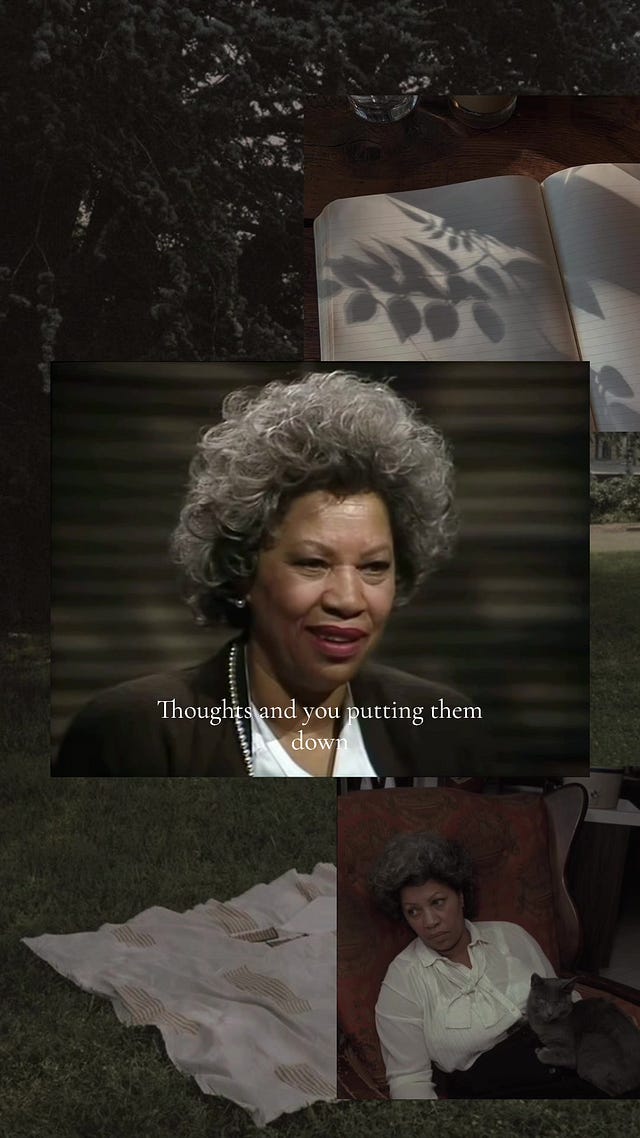 Tiktok failed to load.
Enable 3rd party cookies or use another browser
I see the blending of sillycore and hopecore content where someone posts a short clip from a viral TikTok in which someone says something humorous, and then a soft retro song (typically jazz) will begin playing with a rapid fire presentation of random clips from old movies and old viral videos (or newer videos that have been processed to appear older than they are). All created to somehow elicit a particular vibe or energy, typically in the realm of calmness, positivity, and the familiar humanness that makes us all the same.
I believe that all of this positive, fluffy, and nostalgic content that continues to trend is a digital portal to a future filled with the simple days of the past.
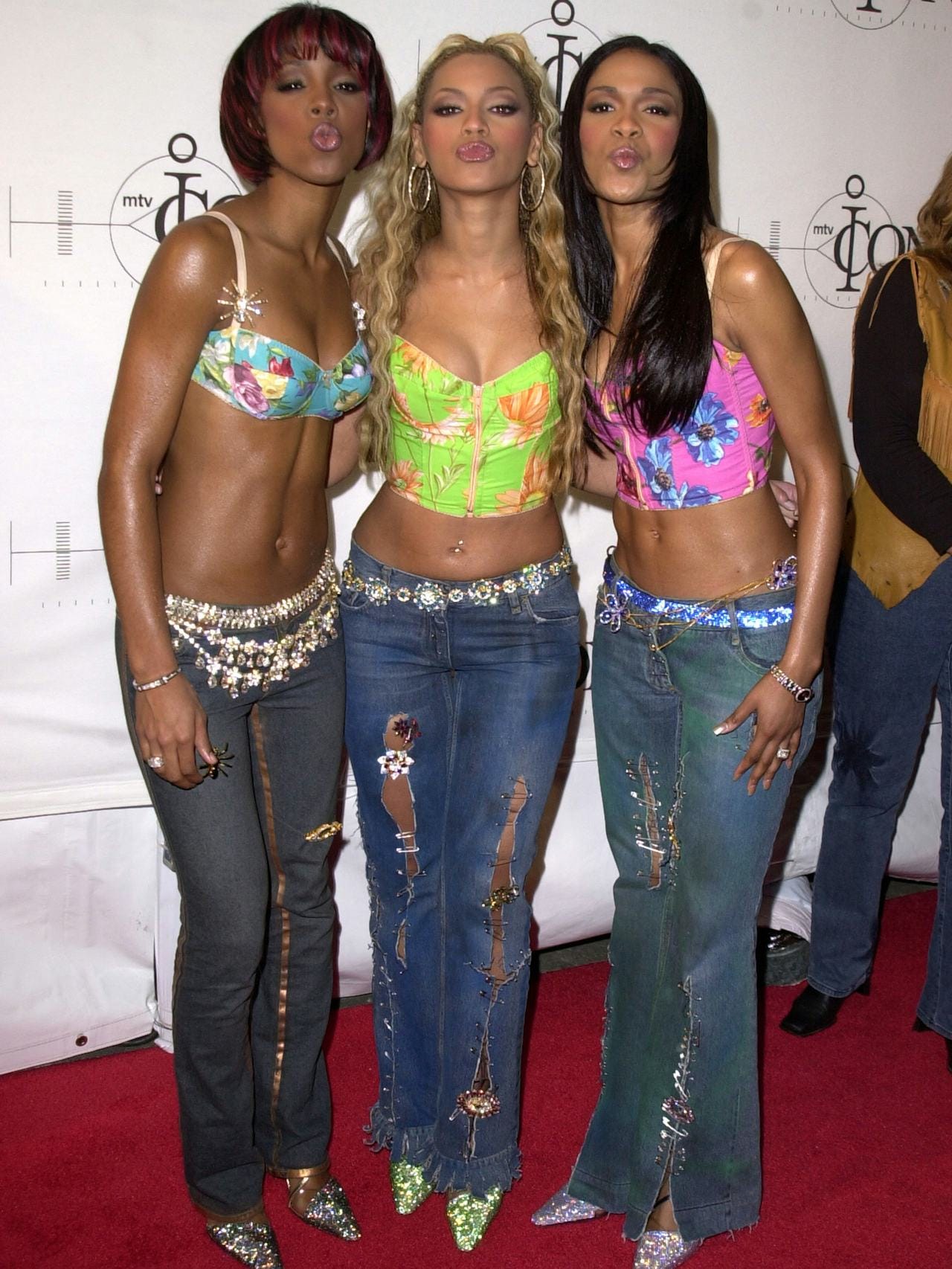
Instagram carousels featuring unearthed 2000s/2010s photos of mcbling and bimbo girls take us back to the days when selfies and other photos of ourselves were forced to be authentic due to the lack of accessible photo manipulation software. You either had the “on trend” flat stomach, or you didn’t. You were either thick enough to fill out your Apple Bottom jeans, or you weren’t. Everything was truly #nofilter. There was no question about the authenticity of the image or video sitting before your eyes.
Tamagotchi’s, silly bands, and Lunchables remind us of how cheap and easy joy was when we were kids, and how today’s world and its consumerist trends leave even our youngest members of society unsatiated. Sephora kids clamor for luxury skincare products and teenagers ravage stores for expensive water bottles to keep up with the young Jones’ who have declared that coolness exists outside of the simple, playful realms of youth and inside the complex and expensive world of today’s adulthood.
The dissolving of third spaces, particularly online spaces for youth, reminds us that when we were young, there were places to be and exist that did not contain microtransactions, subscriptions, or even downloadable software a lot of the time. Places that—even on the internet—felt like home away from home. Places that now exist in scarcity.

With the immediate gratification from social media along with the dopamine that positivity and trips down memory lane can provide, it makes sense that nostalgia, hope, and silliness are on the rise. This flavor of content is the perfect balm for a world rife with negativity, and can remind us that joyful existence, authentic people, and simple times are all still possible. The kicker? We get to absorb all of that delicious energy from our phones. We don’t have to take a step outside of our homes as long as we can find the perfect account that articulates the lifeforce that we need, or we can curate it ourselves on our own social media accounts.
However, even the most curated and affirming feed, story, or online community does not bring us the same reality that we would like to see embodied in the real world. That requires immense work offline as a collective that goes beyond what we aspire for and tack onto our moodboards. It requires work that cannot be deleted into oblivion like Club Penguin or done away with like the trends that bring us together only to inevitably fade into obscurity.
Without this hard work, the world we seek continues to live online, in our liked and shared posts; locked away on Pinterest inspo boards that have yet to be actualized.
What an amazing read! Where you wrote "Of course things were always better “back in the day,” it reminded of Wu Tang's "Can It All Be So Simple." In the intro to that song, RZA says how his favorite year was 1987, that it was much easier than and the song in itself was released in 1993.